
Renewable Energy in Ukraine
 +380 (66) 508-07-64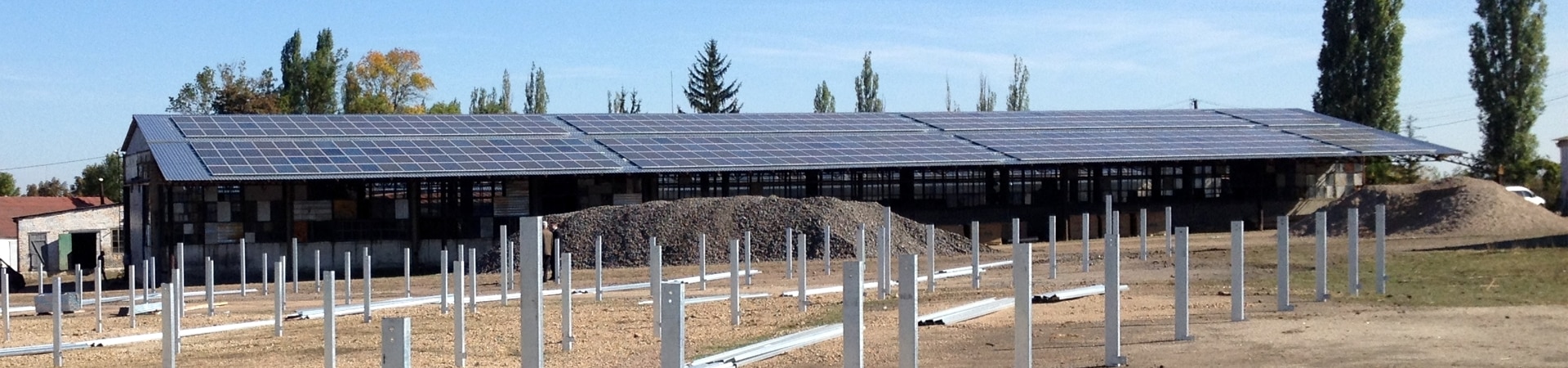
There are a lot of factors that go into the price a solar installer proposes to a PV investor. Solar power systems are a unique product: the price you pay is heavily dependent on the situation and factors related to specific electricity use (total power, schedule of consumption, etc.). Here are some of the top factors to keep in mind that can and do influence the cost of solar power systems:
- System size: the bigger your solar PV system, the pricier it will be. Importantly, the average per-unit price for solar decreases with increasing system size.
- PV system type: on-grid, off-grid and backup solar power systems will significantly differ in price. The most expensive are systems with batteries for energy storage while on-grid solutions for self-consumption are cheaper and have a shorter payback period
- Location: pricing can vary by region as well, which is a result of logistic costs.
- Solar panel’s brand and quality: like any product or appliance, solar panels come in varying quality which can be highly dependent on brand.
- PV panel type: the type of solar modules you install (typically monocrystalline, polycrystalline, or thin-film) directly impacts the overall quality of all system. Higher quality equal to higher prices.
- Roof or site characteristics: the cost of a solar panel installation doesn’t just come from equipment. A contractor will also charge for the difficulty of the installation, and having a complex roof might make your system cost more. For example, cost of mounting structures can vary 3-4 times between case of in stallation on pitched roof or on ground.
- Labour: solar providers all charge different labour rates for their work. You may opt to pay more for a more reputable and experienced company with better reviews and a shorter timetable to installation.
- Permitting and interconnection: paying for permits and your interconnection fee to the grid will add a little to the top of your total solar installation price.
The most obvious and influential factor in the price you pay for a solar panel installation is the size of the system you get. It’s pretty simple: a bigger system with more panels will cost more money than a system with fewer panels (and lower energy output). However, there’s also a higher wattage system that has a lower average price per watt. It’s like buying food in bulk – the overall price is higher, but the per-unit price is lower.
Remember, while bigger solar power systems may cost more, they’ll also very likely save you more in the long run. If you install a bigger solar energy system that covers all of your electricity use, you might have to pay more at once, but you’ll be cutting a significant monthly expense – your utility bill – and saving more money as a result.
Low-interest solar loans are becoming increasingly common, making it even easier to buy a solar panel system that can fully offset your electricity bill and maximize your solar savings.
We would like to provide some figures and facts for your reflection. Currently, the capital investment in the construction of grid commercial solar power plants is approximately $500 per 1 kW. The payback of such projects is at the level of 3-4 years, and the period of operation – at least 30 years. As a result, the cost of producing “solar” electricity is about UAH 1 per kWh. In Ukraine, only in the first half of 2023, in the conditions of the war with russia, tens of megawatts of rooftop power plants were built. Tens more megawatts are at the design stage.
Avenston has been building commercial solar power plants for over 10 years. We offer the full cycle of implementation of solar energy projects: consulting, development, design, construction, service. More than 100 MW of solar power plants have been installed in all corners of Ukraine by Avenston. Are you interested in solar energy projects? Contact our company!
Read more:
Eastern European “Country of the Rising Sun”
Ukraine is one of the fastest developing countries in the former Soviet Union and Eastern Europe in terms of renewable energy.
What impacts the cost of solar power systems?
There are many factors that affect the price a contractor offers a PV system investor. Solar PV systems are unique products and the price you pay is highly dependent on a variety of factors.
Passive Houses and their principles of design
Passive houses have a very low energy loss due to the use of passive methods of energy save (insulation materials, innovative engineering and architectural solutions). The specialists of our company have prepared an interesting and understandable material about the basic principles of an energy efficient building.
How to choose a solar PV panel?
Our company, relying on the long-term experience of production and sales of equipment for solar power-stations, offers some advices, how to make correct choice of good solar panels.